

Four Tips to Transition to Mobile ERP for Manufacturing
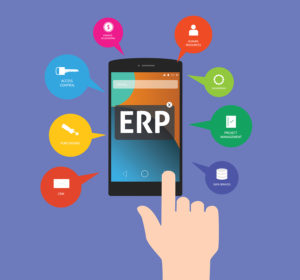 Mobile ERP for manufacturing can transform your organization. Companies worldwide in many industries are embracing mobility to enhance productivity, efficiency, and profitability.
Workers may be fine with using standard PCs, but managers, supervisors, and salespeople absolutely need mobile ERP for manufacturing. With mobile ERP, they can take their workplace anywhere they need to go. As they move about the shop floor, visit with customers, or meet with suppliers, they can use their smartphones and other devices to access critical information that can help them make decisions and share information to close sales. Now that’s something worth investing in!
Include these four steps for an effective mobile ERP strategy
If you’re considering mobile ERP for manufacturing, but aren’t sure where to start or how to implement if effectively, these tips will help you move in the right direction.
- Offer primary access through mobile devices. Instead of making mobility a secondary data access method, enable mobility for all of your data access and reporting and encourage adoption of it as a primary method of access. Universal, secure mobile access will encourage more people in the workplace to adopt it as their main method of retrieving and using data.
- Establish goals, measure results. It’s difficult to ascertain the success of any endeavor unless you set goals. Quantifiable goals can be measured. It’s easier to see what you have or haven’t achieved when you have a shared goal and are measuring results.
- Use cloud ERP. Cloud ERP systems with built-in web-based dashboards facilitate mobile ERP for manufacturing. They also make it easier to update and upgrade systems, as well as add new users. Cloud ERP is secure, flexible, and mobile. It’s a great way to add mobile ERP for manufacturing to your company at a reasonable cost.
- Encourage and accept BYOD (Bring Your Own Device). Businesses used to push back against BYOD because it meant supporting multiple devices, formats, and software. It was both unwieldy and expensive. Newer cloud-based mobile ERP for manufacturing systems makes it much easier to support BYOD initiatives. Employees can use a device they would normally carry anyway for both work and pleasure with little ramp-up costs for you.
Advantages of mobile ERP for manufacturing
There are many advantages of mobile ERP for manufacturing. Companies in the food or pharmaceutical manufacturing industries will find that mobile ERP enhances their ability to track shipments and lots and to ensure compliance with manufacturing guidelines. Traceability and in-process checks are easier with mobile ERP.
Managers will find that mobile ERP makes it easier to keep track of information as they move about the plant or manufacturing facility. Instead of scribbling notes to themselves, they can tap them quickly into the ERP system. This can instantly update and alert everyone in the company about things happening down on the shop floor instead of waiting for a manager’s report or update.
Barcode readers are also a big part of mobile ERP for manufacturing. They aren’t just for retailers or big warehouses. Barcodes affixed to raw materials and equipment can be used to track usage, monitor stock levels, and find things fast in large warehouses.
The right tools support an effective mobile strategy
Companies considering mobile ERP for manufacturing should ensure they have the right tools in place to make the change. Working with a partner such as IWI Consulting, you will find it much easier to choose and implement a new ERP for your manufacturing system.
Sage 300cloud (formerly known as Sage 300) offers a powerful ERP system with built-in mobility. It’s an excellent tool, whether you’re just getting started with ERP or seeking a more robust system to achieve your business goals.
IWI Consulting Group offers businesses assistance choosing the right Sage products for their needs. We can help you convert your company’s systems into a single, integrated solution that supports your business and enhances productivity.
Contact us today for a consultation.
 Integrated business systems may be the hot new trend for manufacturing leaders today. The push to integrate systems so that information is shared, synthesized, and combined for new insights and useful actions is proving to be just what the manufacturing sector needs to fuel innovation and change. ERP systems are at the forefront of this technological revolution along with business intelligence, accounting, inventory systems, and more.
 It is time to refresh and renew your
  Engineers love accuracy. Their world revolves around it. Tools that provide faster and more accurate data flow from sales to engineering, purchasing, and production such as CADLink for
  If there’s only one thing you do to improve your warehouse management this year, make it barcoding. Bar codes are a simple improvement in your warehouse management process that can add great value to your bottom line. How? They make inventory management faster and easier.
 Food manufacturers and others should take note of these important accounting trends, and check out the new financial reporting standards detailed afterward. Both may help your business in the new year.
 Using Manufacturing ERP Software to Meet the Next Revolution
 Change is in the air with the new year. It’s time to embrace Sage ERP software and surrender the spreadsheets. If your company has recently purchased Sage EM (formerly known as Sage X3) or Sage 300cloud (formerly known as Sage 300), you’re in good company. Hundreds of businesses trust these software systems for accurate, reliable data. They reduce time and effort spent on data entry and make reporting a breeze for many companies.
 Inventory Accuracy is Just One Hallmark of a Great Inventory Management System
 Customer-centric enterprise software is the latest buzzword, but it’s more than a fad: it’s a competitive strategy to set your business apart. With customer-centric enterprise software, you can focus on adding value to every transaction to build customer relationships.